

UVic's Stance on Drug Testing — A Developing Perspective
In early 2026, the University of Victoria (UVic) found itself embroiled in a clash of competing interests. The university is a world-renowned leader in developing and implementing community-based drug-checking technologies, through its Substance Drug Checking facility (Substance) but the university administration voiced concerns around the use of these services for its own students. They feared that being perceived to condone illegal drug use on campus would lead parents to favour other institutions that provide a safer environment for their children's education.
This situation was especially concerning for Dr. Jill Wiwcharuk, a UVic triple grad and social media influencer with a passion for helping people in their struggles with substance use and homelessness. I first met Dr. Jill while volunteering at the front desk of the Victoria CoolAid Society’s Resources, Education, Employment and Support (REES) facility, where I was her receptionist for a half-day clinic. I followed her on Facebook where I learned of her passionate support for drug testing on the campus of her Alma Mater.
On September 10th 2026 Dr. Jill posted a fiery Facebook video titled “SHAME ON UVIC”. It tells the story of 18-year-old UVic student Sidney McIntyre-Starko who died of a drug overdose on January 23rd, 2024. She was not a drug addict, but like many young adults experiencing independent living for the first time, she and her friends were experimenting with the most dangerous type of drug—an unknown substance. In Canada, drug overdose is the most common cause of death among youth, making Sidney’s story one among many. In the video Dr. Jill strongly advocates for the implementation of drug checking policies on UVic’s campus.
Why Are Harm Reduction Strategies Needed on University Campuses?
Experimentation with illegal drugs among youth is going to continue, but the dangers could be reduced if the available drug supply was free of highly potent opioids and other harmful adulterants. The current situation could be addressed by:
- Providing a drug supply with known contents and guaranteed purity and potency; or
- Delivering screening technologies that reveal the presence of harmful substances in small drug samples.
Compassion clubs like Vancouver BC’s Drug User Liberation Front (DULF) take the first approach. They obtain drugs from dark-web sources and conduct exhaustive tests to verify their potency and composition before reselling them. Canadian law, however, classifies this type of activity as drug trafficking, and in October 2023, DULF's two co-founders Jeremy Kalicum and Eris Nyx were arrested by the RCMP and charged with three counts each of possession for the purpose of trafficking under Canada's Controlled Drugs and Substances Act. But on September 28, 2026, BC Supreme Court Justice Catherine Murray found that this prohibition violated their Charter rights and stayed the charges.
The declaration of constitutional invalidity, by which the charges were stayed, was suspended for six months to give Parliament an opportunity to respond, so while the charges were overturned, the establishment of a permanent ruling in the case is ongoing.
The UVic student society pursued the second approach. In response to Sidney’s passing, they wrote a letter to the UVic executive director of student wellness urging them to implement drug checking services on campus, but there was no response. After an additional nine months, the coroner’s recommendations regarding Sidney’s case were released, one of them being a requirement to implement drug checking services on UVic’s campus. Dr. Jill posted her video over a year after this, and her tone is one of anger and frustration with the process. She appeals to UVic students, urging them to write to the administration and demand the immediate implementation of this preventive measure. Her main complaint related to the omission of any relevant institutional authorization on the part of UVic. In her words:
Substance Drug Checking is not being allowed to partner with students and lead the policy changes required to protect them.
After viewing the video, I reached out to my contact at Substance, Katy Booth, and she invited me to take a tour of the facility. She also informed me that in the three weeks since Dr. Jill posted her video, the perspective of UVic’s administration had taken a sudden about-turn. Discussions with parents revealed broad support for the implementation of student-led drug checking services rather than the resistance they had foreseen.
Substance now provides a free service allowing UVic students to submit small drug samples for testing and receive a breakdown of their contents within 24 hours. The results of these tests are both informative and protective.
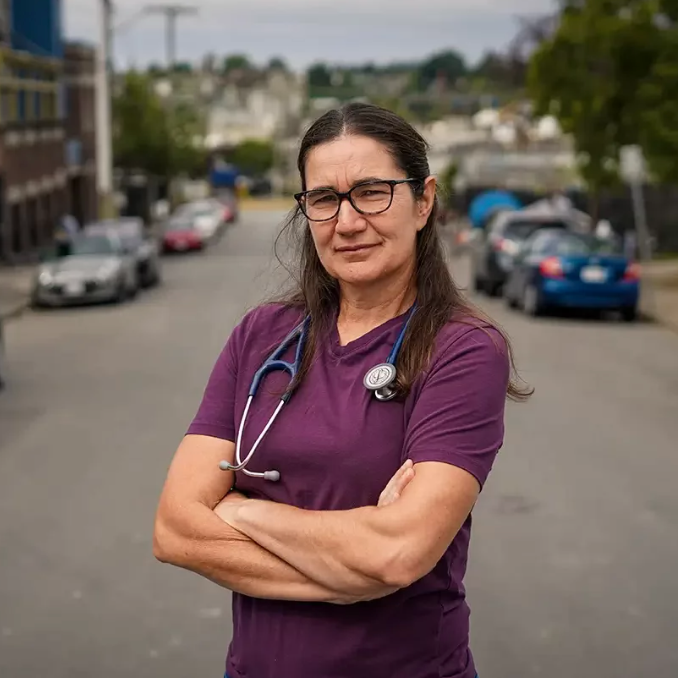
Dr. Jill Wiwcharuk
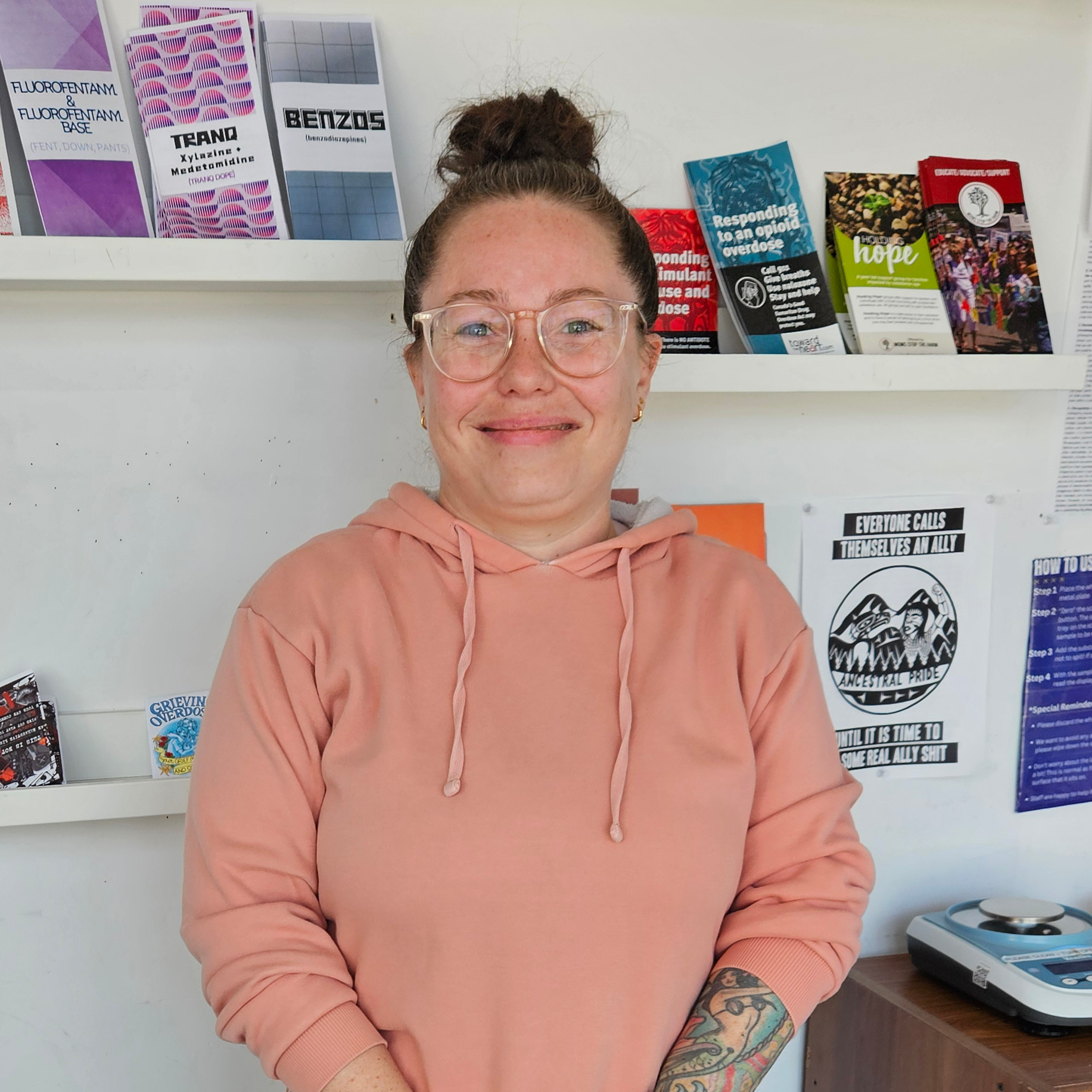
Katy Booth
How Does Drug Testing Work at Substance?
Substance employs two main technologies in the provision of this service:
- A Thermo Scientific paper spray mass spectrometer.
- An Agilent Fourier transform infrared (FTIR) spectrometer.
Mass Spectrometry
The mass spectrometer is the most sensitive of the two and can name substances that constitute as little as 0.5 percent of the sample by weight. To achieve this, the sample is dissolved, and the resulting solution is sprayed onto a triangular piece of absorbent paper called a tip. The paper is then positioned in the aperture of the detector where its contents are ionized using a high-voltage field. The contents of the sample are identified by examining the charge/mass ratio of the ionized components. The device creates a spectrographic line graph with peaks and valleys that are matched against known values to identify which compounds the sample contains. This process accurately identifies substances such as cocaine, methamphetamine, and fentanyl in the sample.
One of the greatest contributions Substance has made to the field of drug checking is by enhancing the capabilities of existing devices. The Themo Scientific device lacked the native capacity required to assess the contents of a drug sample, and the UVic facility spent 12 months developing the software to provide this feature.
FTIR Spectrometry
The FTIR device uses a different technique that identifies compounds by the frequencies of infrared light they absorb. An infrared beam passes through a crystal, usually a diamond, where internal reflection creates an electromagnetic wave that penetrates a short distance into a sample placed against the crystal. Depending on its composition, the sample absorbs specific frequencies of infrared light, altering the intensity of the reflected beam. The instrument analyzes this reflected light and uses a mathematical process called a Fourier transformation to generate an infrared absorption spectrum. This spectrum can then be compared against a database of known substances to identify the compounds present in the sample. FTIR is less sensitive than mass spectrometry and can only identify compounds that constitute 5 percent or more of the sample by weight.
Adorning the lobby wall at Substance is the FTIR spectrum of MDMA—Ecstasy or Molly—represented as a stacked line plot (see the featured image at the top of this article). This image provides a visual representation of both their product and their mission, a mission that extends far beyond academia and science and into the hearts and minds of the UVic community. This is exactly the sort of non-judgmental, compassionate approach needed to minimize the harms that exist at the intersection of independence, curiosity, and chemistry.
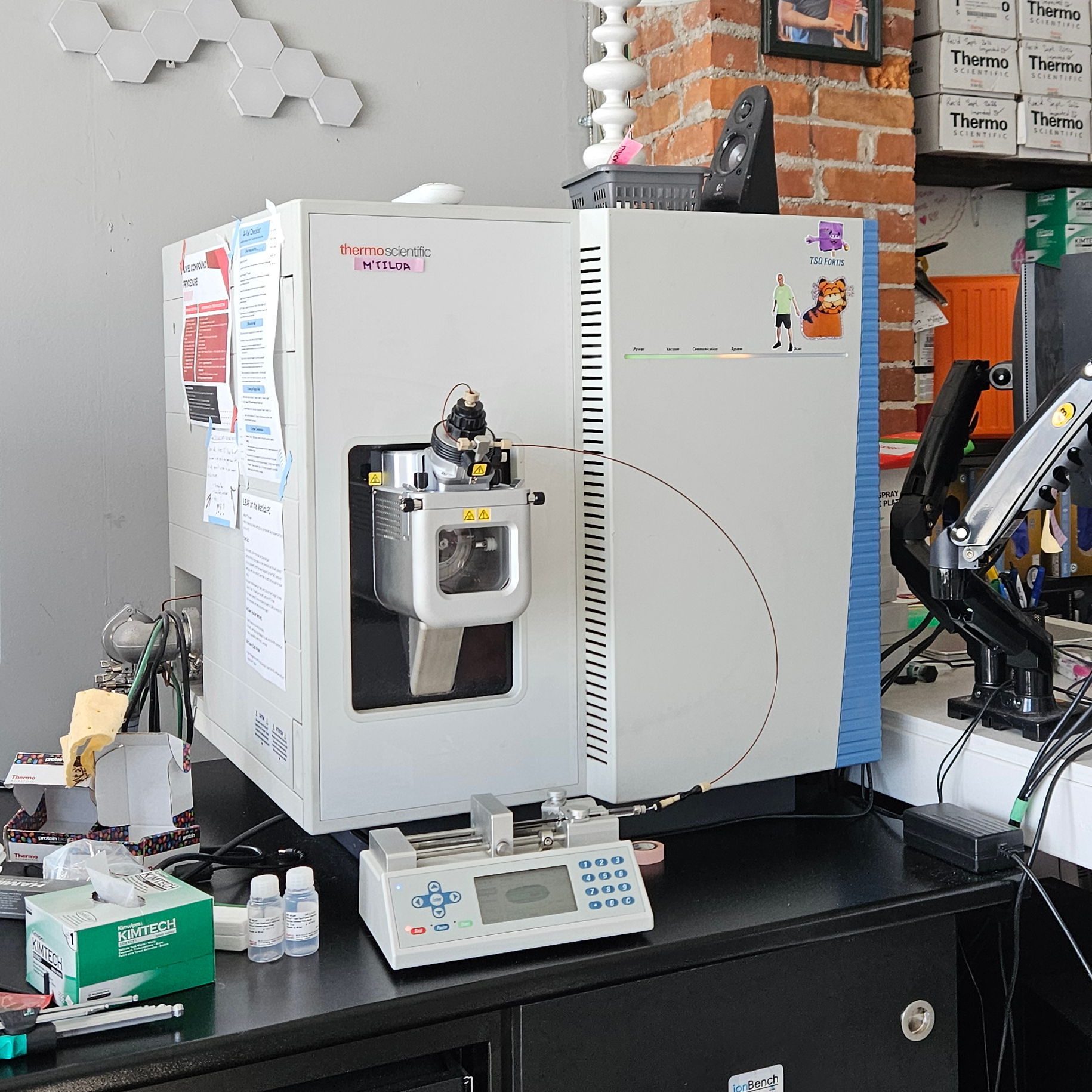
Thermo Scientific Mass Spectrometer
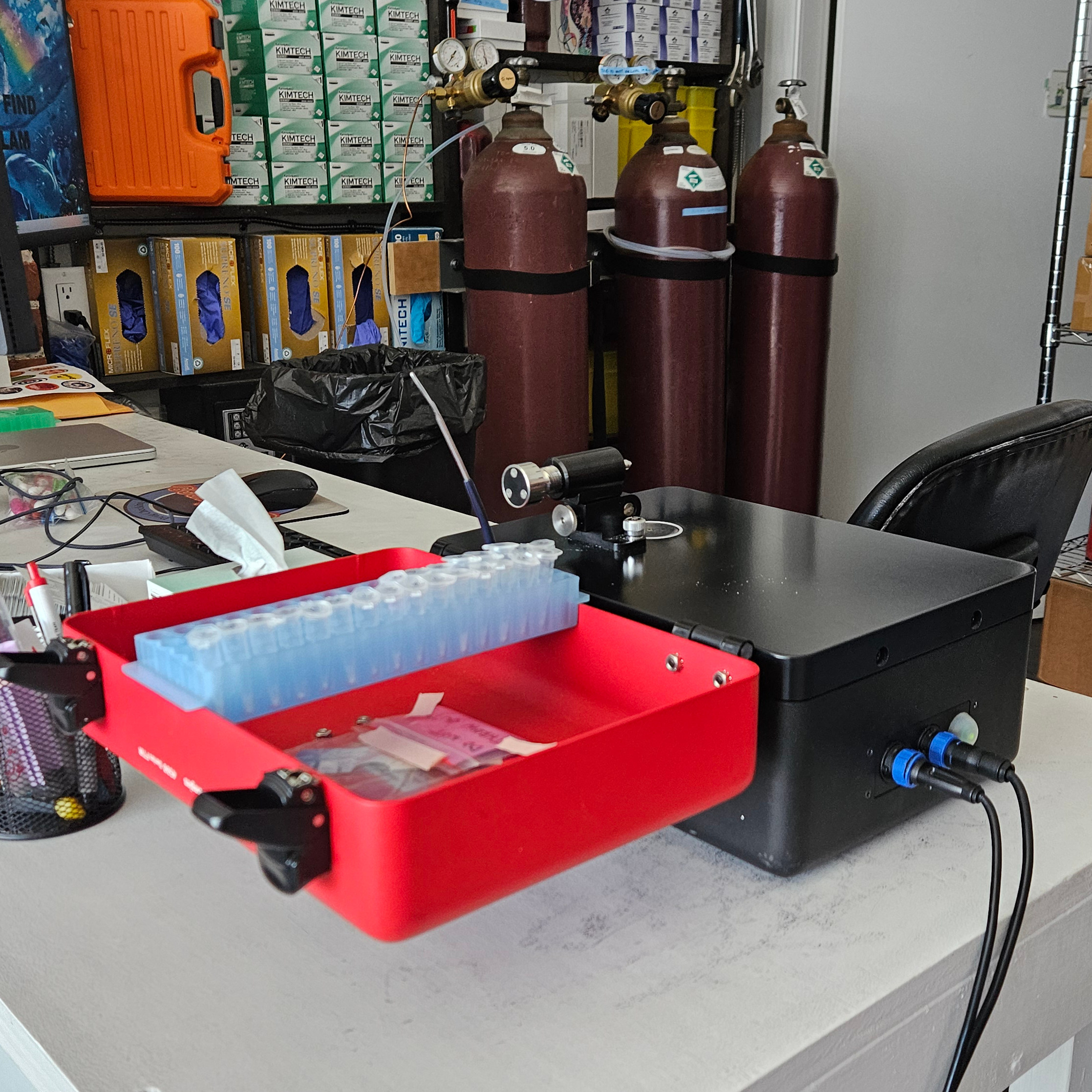
Agilent FTIR Spectrometer
What is Substance's mission?
Substance provides a harm-reduction service by prioritizing timely, actionable information to reduce the risks associated with consuming unregulated drugs. Their service identifies a drug sample's:
- Main active ingredient
- Contaminants (such as other unexpected drugs)
- Inclusion of inert cutting agents of buffs used as a filler
- Approximate composition and the relative distribution of each ingredient
- Inclusion of Fentanyl or its analogues, even in trace amounts (using fentanyl strips)
What it cannot identify:
- If the sample is "pure"
- The exact percentages of different ingredients in the mixture
- If there's something in the mixture that is not present in the reference database
- Whether substances that are still toxic in small amounts are included
Substance's mission statement and details about when and where to drops drug samples are available on their website at https://substance.uvic.ca/.
Related articles:
Saanich author sees ‘Portuguese approach’ as answer to B.C.’s drug crisis
Remembering Those We Lost
Our Mission


0 Comments